
How Dentists Treat Bad Breath (Halitosis): Causes and Solutions
Bad breath is one of those problems that most people have dealt with at some point, but few want to talk about openly. Maybe you have noticed people stepping back slightly during conversations, or your partner has mentioned something. Perhaps you have tried every mint, mouthwash, and tongue scraper on the market and nothing seems to work long-term.
Here is the thing most people do not realize: chronic bad breath, known medically as halitosis, is almost always a dental or oral health issue. And it is treatable. Not with stronger mouthwash, but by identifying and addressing the underlying cause.
Why Your Breath Smells: The Science
Before we get into treatment, it helps to understand what actually causes bad breath. In about 85-90% of cases, the source is inside your mouth. The remaining 10-15% can be traced to conditions elsewhere in the body.
Oral Bacteria and Volatile Sulfur Compounds
Your mouth is home to hundreds of bacterial species. Many of them are harmless or even beneficial. But certain anaerobic bacteria (bacteria that thrive without oxygen) break down proteins from food particles, dead cells, and saliva into volatile sulfur compounds (VSCs). These compounds, primarily hydrogen sulfide and methyl mercaptan, are what produce that characteristic rotten-egg smell.
These bacteria tend to accumulate in areas that are hard to clean: the back of the tongue, deep gum pockets, between teeth, and around dental restorations that do not fit properly.
The Tongue Factor
The dorsum (top surface) of your tongue, especially the back third, is the single most common source of bad breath. The papillae on your tongue create a rough, textured surface with countless tiny crevices where bacteria, dead cells, and food debris collect. This coating, visible as a white or yellowish film, is essentially a biofilm of odor-producing bacteria.
The Most Common Causes of Chronic Bad Breath
1. Gum Disease (Periodontal Disease)
Gum disease is one of the leading causes of persistent bad breath that does not respond to brushing or mouthwash. When plaque accumulates below the gum line, it creates deep pockets between your teeth and gums. These pockets harbor anaerobic bacteria that produce VSCs continuously.
If your gums bleed when you brush or floss, appear red or swollen, or have pulled away from your teeth, gum disease may be the source of your bad breath. Periodontal treatment can address this directly.
2. Poor Oral Hygiene
This one sounds obvious, but many people who brush twice a day still miss critical areas. If you are not flossing daily, bacterial plaque accumulates between your teeth where your toothbrush cannot reach. These interdental spaces become breeding grounds for odor-causing bacteria.
3. Dry Mouth (Xerostomia)
Saliva is your mouth's natural cleaning system. It washes away food particles, neutralizes acid, and contains antimicrobial proteins. When saliva production drops, bacteria proliferate unchecked.
Common causes of dry mouth include over 500 medications (antihistamines, antidepressants, blood pressure medications, and diuretics are frequent culprits), mouth breathing during sleep, dehydration, caffeine and alcohol consumption, and certain medical conditions like Sjogren's syndrome.
4. Food Traps and Dental Issues
Cavities, cracked or broken fillings, poorly fitting crowns, and food impaction areas all create spaces where bacteria thrive and food debris decays. Even a single untreated cavity can produce noticeable bad breath.
5. Tongue Coating
As mentioned above, the posterior tongue is the primary source of VSCs in most people with halitosis. Even with excellent brushing and flossing habits, neglecting tongue cleaning can leave a significant odor source in your mouth.
6. Tonsil Stones
Small, calcified deposits called tonsilloliths can form in the crevices of your tonsils. They consist of trapped food, bacteria, and dead cells and produce a strong, unpleasant odor. If you frequently notice small white or yellowish lumps at the back of your throat, tonsil stones may be contributing to your bad breath.
7. Systemic Conditions
In a minority of cases, bad breath originates outside the mouth:
- Sinus infections and post-nasal drip produce mucus that feeds oral bacteria
- Gastroesophageal reflux (GERD) brings stomach acid and undigested food particles into the throat
- Diabetes can produce a fruity or acetone-like breath odor
- Liver or kidney disease can cause distinctive breath odors
- Respiratory infections in the lungs or bronchi
How a Dentist Diagnoses Bad Breath
When you visit Piedmont Dental with concerns about bad breath, here is what a thorough evaluation looks like:
Clinical Examination
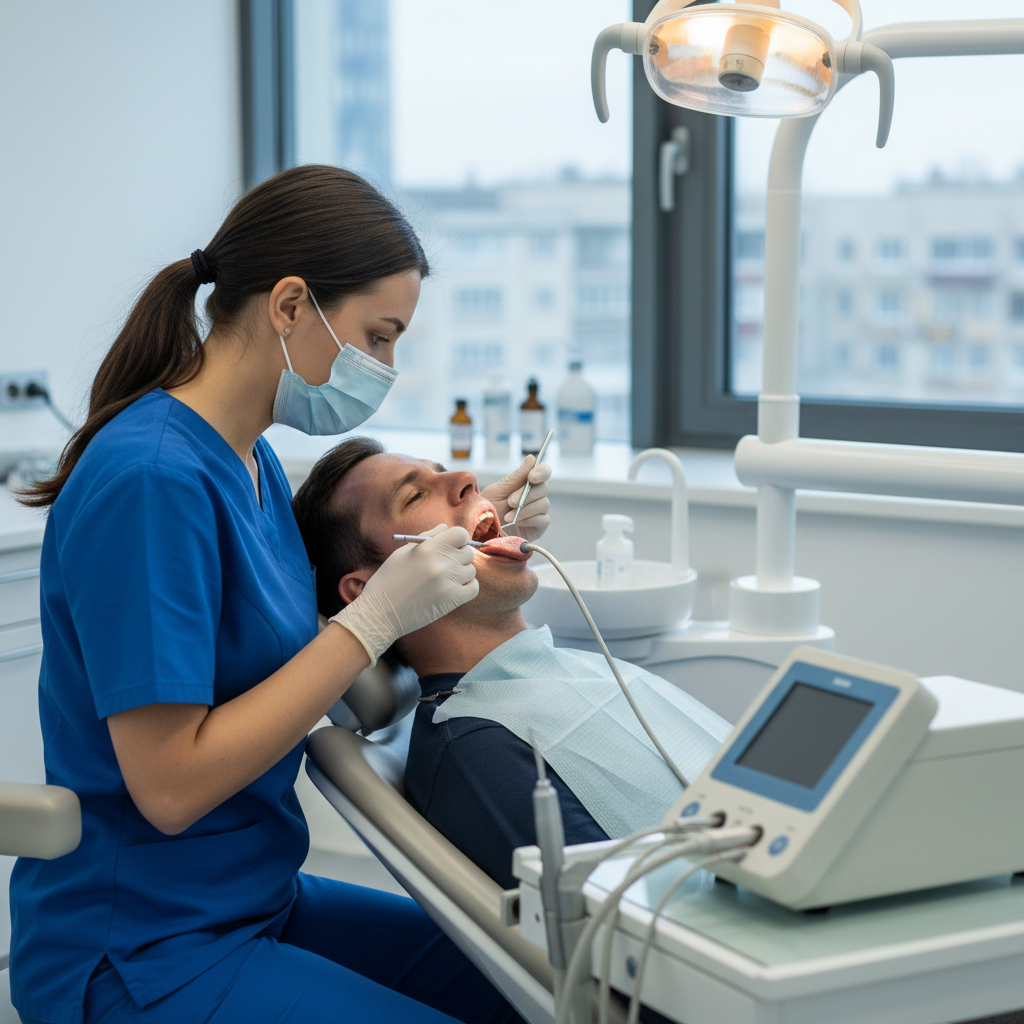
Your dentist will examine your entire mouth looking for signs of gum disease, untreated decay, failing restorations, tongue coating, and any other potential odor sources. We check the depth of your gum pockets, assess bleeding on probing, and evaluate the condition of existing dental work.
Medical and Medication History
Many medications contribute to dry mouth, which directly causes bad breath. Your dentist will review your current medications and medical history to identify potential contributing factors.
Organoleptic Assessment
This is the clinical term for a trained evaluator smelling your breath. While it might sound low-tech, experienced dentists can often identify the likely source of halitosis based on the character of the odor.
Additional Diagnostics
In some cases, your dentist may use specialized tools like a volatile sulfur compound detector to measure the level of odor-producing gases in your breath. X-rays help identify hidden decay, bone loss from periodontal disease, or other issues not visible during a clinical exam.
Treatment Approaches That Actually Work
Professional Cleaning and Periodontal Treatment
If gum disease is present, professional dental cleaning is the first step. For more advanced cases, scaling and root planing (deep cleaning) removes bacterial deposits from below the gum line. This directly eliminates a major source of VSCs.
Patients with moderate to severe gum disease often notice a significant improvement in their breath within days of treatment. In some cases, ongoing periodontal maintenance every three to four months is recommended.
Treating Dental Disease
Filling cavities, replacing failing restorations, and addressing food impaction areas removes bacterial reservoirs. A dental crown on a cracked tooth or a new filling in a decayed area eliminates spaces where odor-causing bacteria were thriving.
Tongue Cleaning Protocol
Your dentist will likely recommend daily tongue cleaning as part of your oral hygiene routine. A dedicated tongue scraper is more effective than brushing your tongue with a toothbrush. Start at the back of the tongue (as far back as comfortable without gagging) and scrape forward with gentle pressure. Rinse the scraper between strokes.
Addressing Dry Mouth
If dry mouth is contributing to your halitosis, treatment strategies include:
- Switching medications when possible (consult your prescribing physician)
- Using saliva substitutes or stimulants
- Staying well-hydrated throughout the day
- Chewing sugar-free gum with xylitol to stimulate saliva
- Using a humidifier at night if you mouth-breathe during sleep
- Avoiding alcohol-based mouthwashes, which actually worsen dry mouth
Antimicrobial Rinses
Unlike cosmetic mouthwashes that just mask odor temporarily, prescription-strength antimicrobial rinses containing chlorhexidine or cetylpyridinium chloride can reduce the bacterial population producing VSCs. These are typically used short-term as part of a broader treatment plan.
Probiotics
Emerging research suggests that certain probiotic strains, particularly Streptococcus salivarius K12 and M18, may help displace odor-producing bacteria in the mouth. While the evidence is still developing, some patients report improvement when adding oral probiotics to their routine.
A Daily Routine That Prevents Bad Breath
Once the underlying causes have been treated, maintaining fresh breath requires consistent daily habits:
- Brush for two minutes, twice daily using fluoride toothpaste. Pay attention to the gum line and all tooth surfaces.
- Floss every day. If traditional floss is difficult, use floss picks, a water flosser, or interdental brushes.
- Clean your tongue daily with a tongue scraper, focusing on the back third.
- Stay hydrated. Drink water throughout the day. Keep a water bottle at your desk.
- Limit drying substances. Reduce caffeine and alcohol intake, especially before bed.
- Eat regular meals. Skipping meals reduces saliva flow and can worsen bad breath.
- Visit your dentist regularly. Professional cleanings every six months catch problems before they cause symptoms.
When Bad Breath Signals Something Serious
Most bad breath is treatable with proper dental care. But certain warning signs suggest you should seek evaluation promptly:
- Bad breath accompanied by bleeding, swollen, or receding gums
- Persistent bad taste in your mouth that does not improve with brushing
- Loose teeth or teeth that have shifted position
- Sores or white patches in your mouth that do not heal
- Difficulty swallowing or persistent sore throat
- Breath odor that smells fruity, fishy, or like ammonia (may indicate systemic disease)
Frequently Asked Questions
Can bad breath be cured permanently?
In most cases, yes. Once the underlying cause is identified and treated, whether it is gum disease, untreated decay, dry mouth, or poor oral hygiene, chronic bad breath can be resolved. Maintaining good oral hygiene and regular dental visits prevents recurrence.
Why does my breath smell bad even after brushing?
If brushing does not resolve your bad breath, the source is likely somewhere your toothbrush is not reaching. Common culprits include bacteria in deep gum pockets (gum disease), tongue coating, decay between teeth, or failing dental restorations. A dental examination can identify the specific cause.
Does mouthwash cure bad breath?
Most over-the-counter mouthwashes only mask bad breath temporarily. Alcohol-based formulas can actually worsen the problem by drying out your mouth. Therapeutic mouthwashes containing antimicrobial agents can help reduce bacteria, but they work best as part of a comprehensive treatment plan, not as a standalone solution.
Can stomach problems cause bad breath?
Yes, but less commonly than most people assume. GERD (acid reflux), H. pylori infection, and certain digestive disorders can contribute to halitosis. However, dentists find that the vast majority of bad breath cases, roughly 85-90%, originate in the mouth.
How do I know if my bad breath is from my stomach or my mouth?
A dental examination is the best starting point. If your dentist rules out all oral causes and your bad breath persists despite excellent oral hygiene, they may refer you to your physician to evaluate gastrointestinal or other systemic causes.
Is bad breath a sign of gum disease?
Persistent bad breath is one of the most common early signs of gum disease. The bacteria that cause periodontal disease produce volatile sulfur compounds as they break down tissue. If your bad breath is accompanied by bleeding gums, redness, or gum recession, schedule a dental exam promptly.
How much does halitosis treatment cost?
The cost depends entirely on the underlying cause. A professional cleaning may be sufficient for mild cases and is typically covered by dental insurance. More complex cases involving periodontal treatment, cavity repair, or crown replacement vary in cost. At Piedmont Dental, we provide a thorough evaluation and transparent cost estimate before beginning any treatment. Call (803) 328-3886 for details.
---
Piedmont Dental treats patients with chronic bad breath every week. If you have been struggling with halitosis and over-the-counter products are not working, we can help identify the cause and develop a treatment plan. Contact us or call (803) 328-3886 to schedule your appointment in Rock Hill, SC.