Here is Why Your Teeth are Hurting
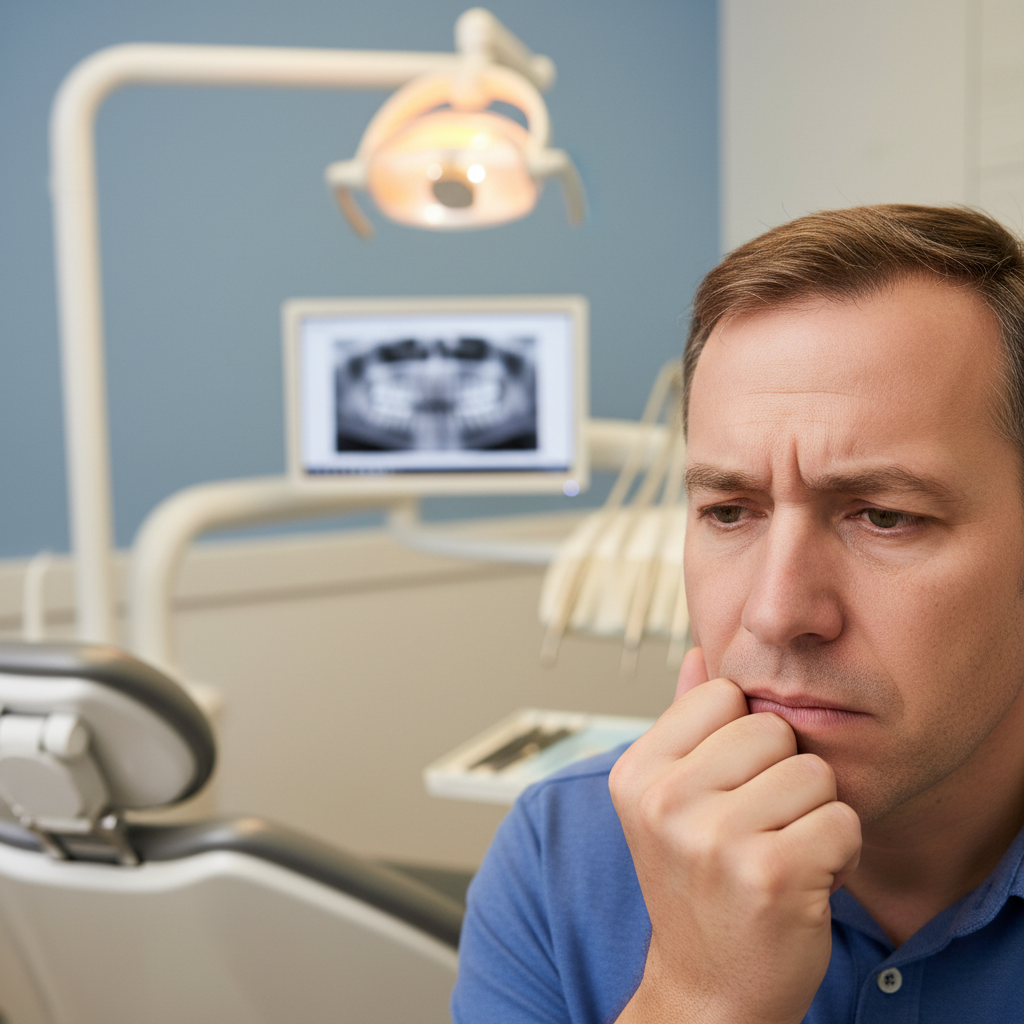
Tooth pain is a prevalent and often debilitating condition that affects people of all ages. Understanding its causes, symptoms, and treatment options is crucial for maintaining oral health and overall well-being. This guide aims to provide comprehensive insights into the various dimensions of tooth pain and offer practical solutions and preventive measures. If the pain is too extreme, you may need and emergency dental appointment.
Causes of Tooth Pain
Tooth pain is primarily caused when the nerve within a tooth’s root or surrounding it becomes irritated. This irritation can result from dental infections, decay, injuries, or the loss of a tooth, leading to varying degrees of discomfort. Additionally, pain may also occur post-extraction, adding to the distress.
Understanding the specific cause of tooth pain is essential for effective treatment. Whether it’s due to an underlying dental condition or external injury, addressing the root cause can alleviate pain and prevent further complications.
Referred Pain and Its Implications
Referred pain is a condition where pain is felt in an area different from the source of pain. In the context of dental health, pain may originate from areas like the jaw joint, ear, or sinuses and radiate to the jaw, creating an illusion of tooth pain. In some rare instances, heart problems can also manifest as tooth pain.
Identifying referred pain is crucial as it requires a different approach to diagnosis and treatment. A thorough examination is necessary to ascertain the actual source of pain and administer appropriate interventions.
The Role of Bacteria in Dental Health
Bacteria play a significant role in dental health, contributing to conditions like gum disease and dental decay, which are common causes of tooth pain. The oral cavity is a breeding ground for bacteria, making regular dental hygiene practices essential for maintaining oral health.
Implementing a robust dental hygiene routine, including brushing with fluoride toothpaste, flossing, and professional cleaning, can significantly reduce bacterial growth and the risk of dental issues, thereby mitigating the chances of experiencing tooth pain.
Preventive Measures and Dental Care
Preventive dental care is paramount in avoiding tooth pain and other dental problems. Regular dental check-ups, maintaining a balanced diet, avoiding tobacco, and using protective gear during sports are practical measures to prevent dental issues and injuries.
Being proactive in dental care not only helps in preventing tooth pain but also contributes to overall dental health. Awareness and adherence to preventive measures can significantly reduce the risk of dental ailments and enhance oral well-being.
Symptoms and Diagnosis
Recognizing the symptoms of tooth pain is the first step towards diagnosis and treatment. Symptoms such as persistent pain, sensitivity to temperature, swelling around a tooth, bad breath, fever, and a bad taste in the mouth may indicate underlying dental issues.
A comprehensive approach to diagnosis, involving a detailed medical history, oral examination, and, if necessary, X-rays, is essential to identify the root cause of the pain and determine the appropriate treatment plan.
Treatment Options and Recovery
Treatment for tooth pain varies depending on the diagnosis. It may involve fillings, tooth extractions, root canal therapy, or addressing non-dental issues causing the pain. Adherence to prescribed medications, maintaining dental hygiene, and regular follow-ups post-treatment are crucial for expedited recovery and prevention of recurrence.
Choosing the right treatment option is crucial for alleviating pain and preventing further complications. Whether it’s a minor intervention or a more complex procedure, following the recommended treatment plan is essential for optimal recovery and long-term dental health.
Related Posts
Uncategorized
Foods That Stain Teeth: What Turns Your Teeth Yellow?
Find out which foods and drinks stain your teeth yellow and get tips on prevention from Piedmont Dental in Rock Hill, SC.
February 27, 2026
Uncategorized
Dental Implant Disqualifications: What You Need to Know
Discover what might disqualify you from dental implants and how Piedmont Dental in Rock Hill, SC can help you explore your options for tooth replacement.
February 27, 2026
Uncategorized
3-3-3 Rule for Toothache: When to See a Dentist in Rock Hill
Learn the 3-3-3 rule for toothache relief and when to see a dentist in Rock Hill, SC. Piedmont Dental explains causes, home remedies, and professional treatment.
February 27, 2026
What type of dentist is best for bridges?
What type of dentist is best for bridges? Understanding Dental Bridges A dental bridge is a common restorative procedure designed to replace one or more
January 15, 2026
Does it matter which dentist you go to?
Does it matter which dentist you go to? Choosing a dentist can be one of the most important health decisions you make. Your oral health
January 15, 2026
Uncategorized
How Often Should I Get a Dental Checkup? Your Complete Guide to Oral Health in Rock Hill, SC
Wondering how often you should schedule dental checkups? Most people benefit from visits every six months, but individual needs vary based on health factors and risk levels.
December 10, 2025